May 18, 2026
Most homeowners and property managers don’t think much about their HVAC system until something feels off. Maybe the airflow weakens, certain rooms stop staying comfortable, or energy bills start creeping up. By that point, the issue has usually been developing for a while. Taking a reactive approach like this often leads to higher costs and more frustration than necessary.
Preventative maintenance offers a more practical path forward. Instead of waiting for problems, it focuses on keeping systems running efficiently through routine care and early detection. With consistent HVAC services, small issues are addressed before they turn into expensive repairs. Over time, that proactive mindset leads to better performance, lower costs, and fewer surprises.
Preventing Issues Before Escalating
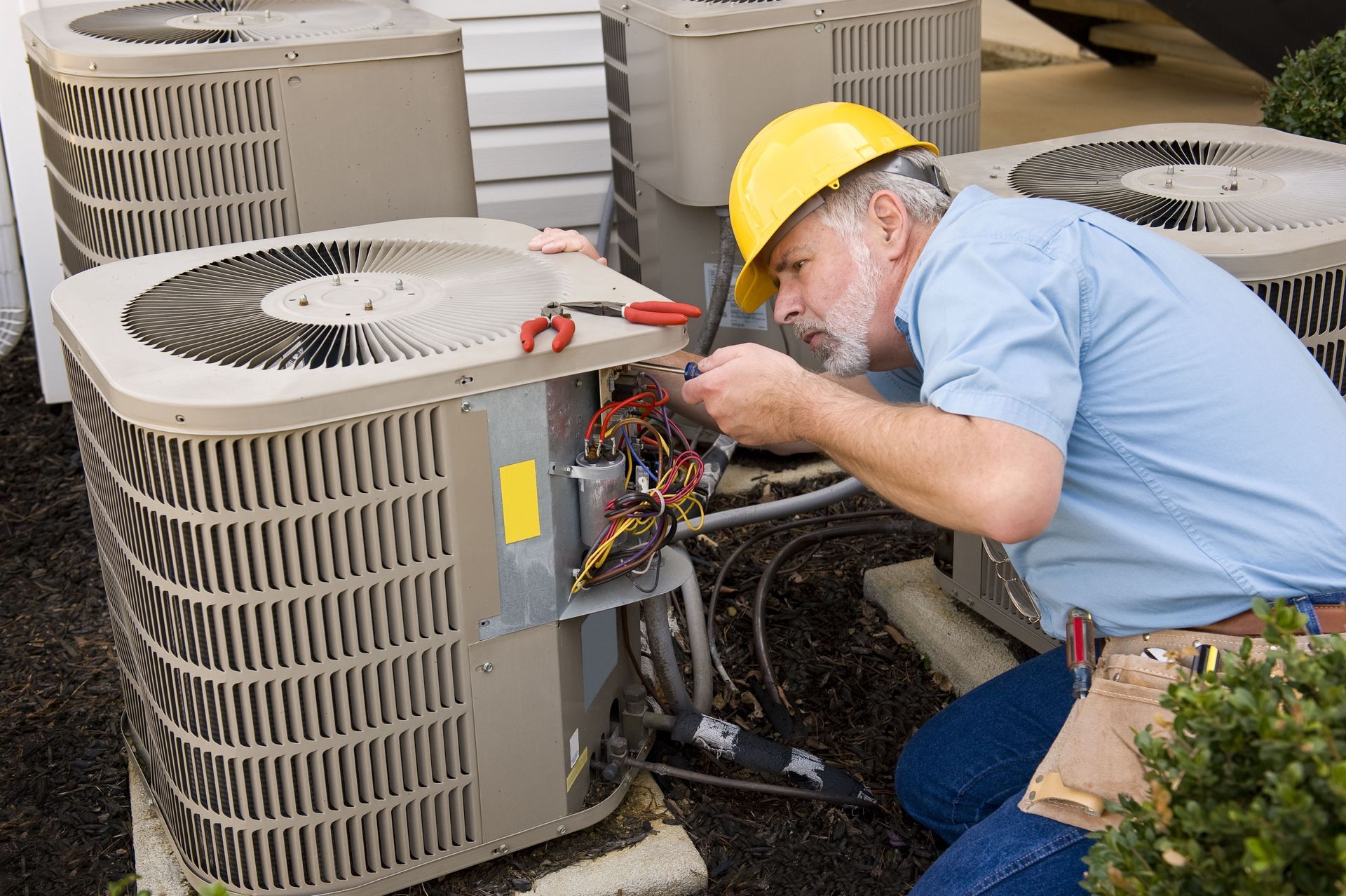
One of the biggest advantages of preventative maintenance is catching problems early. HVAC systems are made up of multiple components that naturally wear down over time. Without regular inspections, small issues like loose electrical connections or minor refrigerant imbalances can go unnoticed until they cause larger failures.
Routine HVAC services allow technicians to monitor system performance and identify these early warning signs. Instead of waiting for a breakdown, adjustments can be made while the issue is still minor and manageable. This keeps repair costs low and prevents unexpected disruptions.
There’s also a planning benefit. When issues are caught early, you can schedule repairs at convenient times instead of dealing with emergencies. That level of control reduces stress and helps keep maintenance costs predictable.
Reducing Repair Costs Over Time
Unexpected HVAC repairs can be expensive, especially when they happen during peak seasons. Emergency service calls, rush labor, and major component replacements can quickly add up. Preventative HVAC services help minimize these costs by addressing wear and tear before it leads to failure.
Parts like motors, belts, and capacitors degrade gradually. With regular inspections, technicians can replace or repair these components before they fail completely. This is far more cost-effective than dealing with a full system breakdown that may require multiple repairs at once.
Another factor is service efficiency. Scheduled maintenance allows technicians to work methodically without the urgency of an emergency. This often results in lower labor costs and more thorough service. Over time, reducing emergency repairs becomes one of the most noticeable financial benefits of preventative care.
Extending System Lifespan With Consistency
HVAC systems are a significant investment, so extending their lifespan is a priority for most property owners. Preventative maintenance plays a direct role in achieving that goal. Systems that are regularly serviced experience less strain and operate more efficiently over time.
When dust and debris build up, the system has to work harder to maintain the desired temperature. This added stress accelerates wear on key components. Routine HVAC services remove those inefficiencies, allowing the system to function under optimal conditions.
Consistent care also ensures that each component is working properly within the system as a whole. When everything is aligned, there’s less risk of premature failure. This not only delays replacement costs but also improves the overall return on your initial investment.
Lowering Energy Bills Through Efficiency
Energy usage is one of the most immediate ways HVAC performance impacts your budget. When a system isn’t running efficiently, it consumes more energy to maintain comfort levels. Preventative maintenance helps reduce that waste and keep utility costs under control.
Dirty filters, restricted airflow, and uncalibrated thermostats all contribute to higher energy consumption. Regular HVAC services address these issues, ensuring that the system operates as efficiently as possible. Even small improvements in efficiency can lead to noticeable savings over time.
Thermostat calibration is especially important. If temperature readings are inaccurate, the system may run longer than necessary. Proper adjustments help maintain consistent temperatures without overworking the system. Over the course of a year, these efficiency gains can significantly reduce energy bills.
Preventing Breakdowns During Peak Seasons
HVAC systems are most likely to fail when they’re under the greatest demand, typically during extreme heat or cold. These breakdowns are not only inconvenient but also expensive to fix. Preventative maintenance helps reduce the likelihood of these situations.
Routine inspections allow technicians to identify components that are close to failing before peak seasons begin. Addressing these issues early ensures that the system can handle increased usage without problems. This keeps your home or business comfortable when it matters most.
Avoiding peak-season repairs also has financial advantages. Emergency services during high-demand periods often come with higher costs and longer wait times. By relying on consistent HVAC services, you avoid those added expenses and maintain reliable performance year-round.
Improving Airflow and Indoor Air Quality
Airflow and air quality are closely connected to HVAC efficiency and overall comfort. When airflow is restricted, the system has to work harder, increasing energy use and wear on components. Preventative maintenance ensures that air moves freely and efficiently throughout the system.
Technicians inspect filters, ductwork, and vents to remove blockages and improve circulation. Clean filters alone can significantly enhance system performance. When airflow is optimized, the system can maintain temperatures more evenly and with less effort.
Indoor air quality also improves with regular maintenance. Dust, allergens, and pollutants can build up inside the system and circulate throughout the space. Routine HVAC services help reduce these contaminants, creating a healthier indoor environment.
According to Benchmark International, the global HVAC systems market was valued at over $218 billion in 2024 and is expected to surpass $338 billion by 2031. This growth reflects increased demand for systems that deliver both efficiency and healthier air. Maintenance plays a key role in achieving those outcomes while controlling costs.
Increasing Reliability and Supporting Long-Term Savings
Reliability is one of the most valuable outcomes of preventative HVAC maintenance. A system that runs consistently without interruption is easier to manage and less expensive to maintain. Unexpected downtime can lead to discomfort, lost productivity, and additional repair costs.
Regular HVAC services ensure that all components are functioning properly and working together efficiently. By addressing potential issues early, technicians reduce the likelihood of sudden failures. This keeps systems running smoothly and minimizes disruptions.
Reliable performance also supports better long-term planning. Instead of reacting to emergencies, you can schedule maintenance and upgrades on your terms. This approach provides greater control over your budget and helps avoid large, unexpected expenses.
Over time, the combination of fewer repairs, lower energy bills, and extended system life creates meaningful savings. Preventative maintenance isn’t just about avoiding problems—it’s about building a system that performs consistently and efficiently year after year.
Preventative HVAC maintenance is one of the most effective ways to manage long-term costs while improving system performance. By focusing on early detection, consistent care, and efficiency, property owners can reduce repair expenses, extend equipment lifespan, and lower energy bills. The result is a system that operates reliably without creating financial surprises.
Beyond the cost savings, there’s the added benefit of comfort and air quality. A well-maintained system delivers consistent temperatures and cleaner air, creating a better indoor environment overall. These advantages make preventative maintenance a practical investment rather than an optional expense.
If you want to protect your system, avoid costly surprises, and keep your energy bills under control, routine HVAC services should be a consistent part of your maintenance plan. Taking a proactive approach not only improves performance but also extends the life of your equipment and keeps your indoor environment comfortable year-round. Schedule your next maintenance appointment with Accurate Air Services and stay ahead of potential issues before they turn into expensive problems.