Why Is My AC Running but Not Cooling My Polk County Home?
Safe checks before you call, and when to stop troubleshooting.
If your AC is running but not cooling, check the thermostat, air filter and blocked vents first. The indoor fan can move air even when the system is not removing heat; ice, refrigerant problems or an outdoor-unit fault need professional attention rather than repeated restarts.
Quick answers:
- An AC running but not cooling needs a few safe checks, not a lower thermostat setting.
- Check Cool mode, the air filter and unobstructed return grilles before assuming a major repair.
- Turn cooling off if you see ice; leave electrical panels and refrigerant work to a professional.
- Accurate Air Services provides AC repair and maintenance for homeowners in Eagle Lake and Polk County.
Why this matters for your home's comfort
Air coming from a vent does not prove your AC is cooling. It tells you the indoor fan is moving air, which is only part of the job.
For homeowners in Eagle Lake and across Polk County, a useful first step is to separate a setting or airflow issue from a problem inside the equipment. Make the checks you can do safely, then stop troubleshooting when the next step requires opening equipment or handling electrical parts. Accurate Air Services provides AC services, including repairs and routine maintenance, for local homeowners.
Why is my AC running but not cooling?
An air conditioner needs airflow across its indoor coil and working equipment to carry heat outside. A blocked filter can interfere with airflow. Dirty coils, a refrigerant problem or a malfunctioning outdoor unit can also reduce cooling even while you hear a fan.
Use these symptoms to decide what to check, not to diagnose a part or buy a replacement component.
- Air moves, but it does not feel cool: check the thermostat, and whether the room is warmer than the setting.
- Airflow is weak throughout the home: a dirty filter, blocked return or an equipment problem.
- Ice is visible on an accessible refrigerant line or equipment surface: turn cooling off and arrange service; do not chip the ice.
- The indoor fan runs but the outdoor unit appears still: an outdoor-unit power, control or component fault. Observe from a safe distance and leave covers closed.
- Water is collecting around the indoor equipment: a drainage problem or melting ice. Stop using the system and arrange an inspection.
More than one fault can create the same symptom. A technician needs to check the equipment before saying which repair is necessary.
Start with these safe checks
1. Check what the thermostat is asking the system to do
Make sure the thermostat is set to Cool, not Heat or Fan Only. The temperature setting must be below the room temperature for cooling to be requested.
Next, look at the fan setting. With On, many systems run the indoor fan even when active cooling has stopped; Auto normally ties fan operation to the heating or cooling cycle. Your equipment's controls and manual take priority if they work differently.
If the screen is blank and your thermostat uses replaceable batteries, follow its instructions for checking them. Avoid removing wiring or changing installer settings.
Lowering the setting repeatedly does not fix a cooling fault. Note the room temperature and whether it is falling instead of judging the system only by the sound of the fan.
2. Inspect the filter without opening equipment panels
A dirty filter restricts air passing through the system. That can weaken cooling and contribute to ice forming on the indoor coil.
If your filter is in a homeowner-accessible holder, switch the system off before inspecting or replacing it. Follow the equipment instructions, use the specified size and type, and match the airflow arrow to the direction shown on the holder or equipment.
Do not run the system without its filter or force a filter into a holder that does not fit. If reaching the filter requires opening a service panel you are unfamiliar with, leave that check to a technician.
ENERGY STAR's residential maintenance checklist recommends inspecting, cleaning or changing filters once a month. That is a regular check, not a promise that every filter needs replacement on the same date; follow the filter and equipment instructions for your system.
3. Clear the air's path through your home
Look for furniture, rugs or stored belongings covering return grilles and supply vents. A return draws room air back toward the equipment; supply vents deliver conditioned air to the rooms.
Move obstructions away without reaching inside the ductwork. Keep vents open rather than closing several rooms in an attempt to force more cold air elsewhere.
Notice whether the problem affects the whole house or one room. Weak airflow everywhere and one uncomfortable bedroom are different clues, even though both can feel like an AC that is not keeping up.
4. Look at the outdoor unit from a safe distance
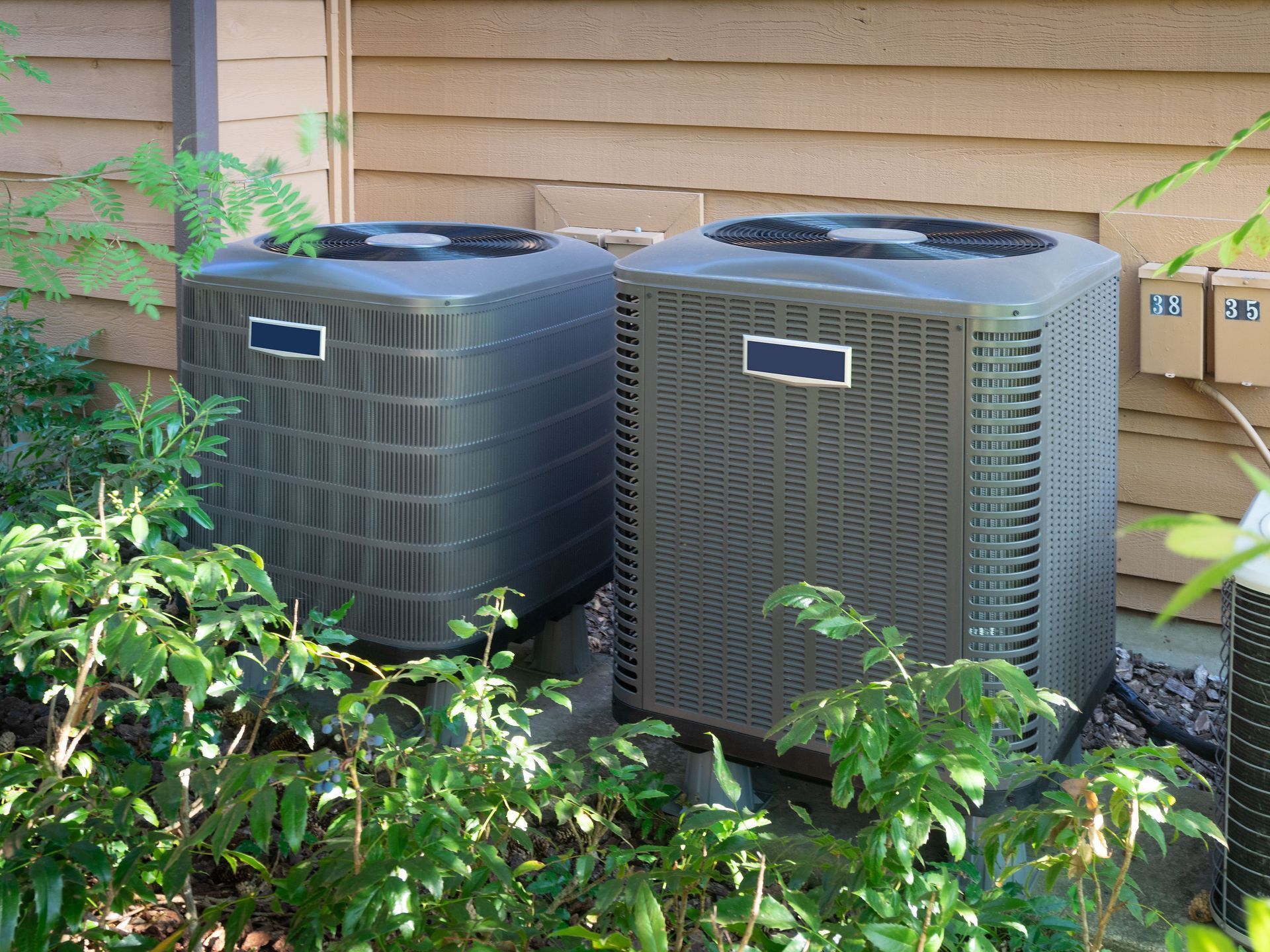
Check for loose leaves or belongings crowding the outdoor unit. Do not put your hands through the grille, touch the fan, remove a cover or reach into the equipment.
An outdoor unit needs to release heat. Visible blockage is useful information for a service call, but a unit that looks clear can still have an internal fault.
If the indoor fan runs while the outdoor unit does not appear to operate during a cooling request, report that observation. Do not try to push-start the fan or handle a capacitor, wiring or other electrical parts.
When should you turn the AC off?
Stop cooling if you see ice on accessible equipment or refrigerant piping. Carrier's homeowner guidance on frozen AC coils advises shutting off cooling and letting the ice thaw; continued cooling is not a solution to the cause of the freezing.
Do not chip ice away, use a heat gun or remove equipment panels to speed things up. Keep an eye on accessible surrounding areas for meltwater without touching wet electrical equipment.
Also stop using the system if water is accumulating around the indoor unit or you notice a burning smell, smoke or sparking. Keep away from wet or damaged electrical equipment; smoke or fire calls for emergency services, not further AC troubleshooting.
Repeated freezing needs diagnosis even if the air becomes cool again after thawing. A thawed coil and a repaired system are not the same thing.
Problems that need a technician
Once thermostat settings, the accessible filter and obvious obstructions have been checked, the next steps usually involve equipment testing. Avoid buying parts based on a symptom alone.
Dirty indoor or outdoor coils
Coils transfer heat. Dirt on them can reduce cooling and make the system run longer, according to ENERGY STAR's maintenance checklist.
An accessible filter change does not clean a dirty indoor coil. A technician can inspect the coil and determine how to clean it without damaging the equipment or spreading water where it does not belong.
Refrigerant-related faults
Low refrigerant or another refrigerant-system problem can affect cooling and contribute to freezing. Weak cooling alone does not confirm either one.
Leave refrigerant testing and handling to a qualified professional. Ask what the inspection found and whether a leak or other underlying fault needs attention, rather than treating a refrigerant addition as a complete diagnosis.
Fan, electrical or control faults
A blower problem can reduce indoor airflow. A fault in the outdoor equipment or its controls can leave you hearing the indoor fan without getting useful cooling.
These are testing jobs, not safe trial-and-error repairs. Tell the technician what you observed, but leave electrical covers closed and do not repeatedly reset a breaker that trips.
Drainage problems
Your cooling system also removes moisture from indoor air. A plugged condensate drain can cause water damage; some installations have a safety control that interrupts operation when water backs up.
Water around the unit does not establish the cause on its own. A technician can distinguish a blocked drain from melting ice or another source of leakage.
What should you tell the AC company?
A clear description helps the person arranging service understand the problem. You do not need to know the failed part.
Have these details ready:
- When you first noticed the cooling problem and whether it began suddenly.
- Whether airflow is weak everywhere or only in particular rooms.
- Whether the outdoor unit appears to run during a cooling request.
- Whether you have seen ice, standing water or an error message.
- Which thermostat, filter or vent checks you have already made.
- Whether anyone in the home has a health-related need for a cool indoor space.
If you can safely photograph visible ice or a thermostat message without opening equipment, that can help you describe what happened. Do not reach into the unit to take a picture.
Can maintenance help prevent cooling problems?
Maintenance and repairs do different jobs. Repair addresses an existing fault; maintenance checks and cares for the system before the next problem interrupts your comfort. Neither is a guarantee that equipment will never break down.
ENERGY STAR recommends annual pre-season contractor checkups, including cooling checks in spring and heating checks in fall. Its checklist covers thermostat operation, drainage, coils, refrigerant and blower components, alongside regular homeowner filter checks.
Ask your contractor what your specific system needs rather than assuming every maintenance visit includes every possible repair or cleaning. Equipment condition and manufacturer instructions matter.
Accurate Air Services offers seasonal maintenance as well as AC repair for Eagle Lake and Polk County homeowners. An existing no-cooling problem should be described when booking so it is not mistaken for a routine maintenance request.
Frequently asked questions
Why is my AC blowing air but not cooling the house?
The indoor fan can move air even when the cooling equipment is not removing heat. Check Cool mode, an accessible filter and blocked grilles; a continuing problem needs an equipment inspection.
Should I keep my AC running if I see ice?
Turn cooling off if you see ice. Do not chip it away or use heat to remove it, and arrange service if freezing returns or the cause is unknown.
Can a dirty air filter stop an AC from cooling properly?
Yes. A dirty filter restricts airflow, which reduces cooling performance and can contribute to a frozen indoor coil. Inspect or replace an accessible filter according to your equipment instructions.
How often should I check my AC filter?
ENERGY STAR recommends inspecting, cleaning or changing the filter once a month. Follow your equipment and filter instructions to decide when replacement or cleaning is needed.
Does an AC that is not cooling always need to be replaced?
No. A thermostat setting, airflow restriction or repairable fault can cause poor cooling. Have the cause checked before deciding between repair and replacement.
Who can help with AC repair in Eagle Lake and Polk County?
Accurate Air Services provides AC repair and maintenance for homeowners in Eagle Lake and Polk County. The business is family-owned, licensed and insured, with 24/7 emergency service; same-day service is subject to availability.
One last thing: describe the symptom, not a guessed repair
When you call, say, "The AC is running, but the house is not cooling," and explain what you checked. That leaves room for a proper diagnosis instead of starting with an assumed refrigerant or replacement job.
Accurate Air Services provides AC repair and maintenance for Polk County homeowners who want clear options and a practical next step. Call 863-875-7988 or request service to discuss your cooling problem.
Technical guidance is based on ENERGY STAR's residential Maintenance Checklist and Carrier's homeowner guidance on frozen AC coils, consulted November 2026. Your equipment manufacturer's operating and safety instructions take priority.